All things pumpkin

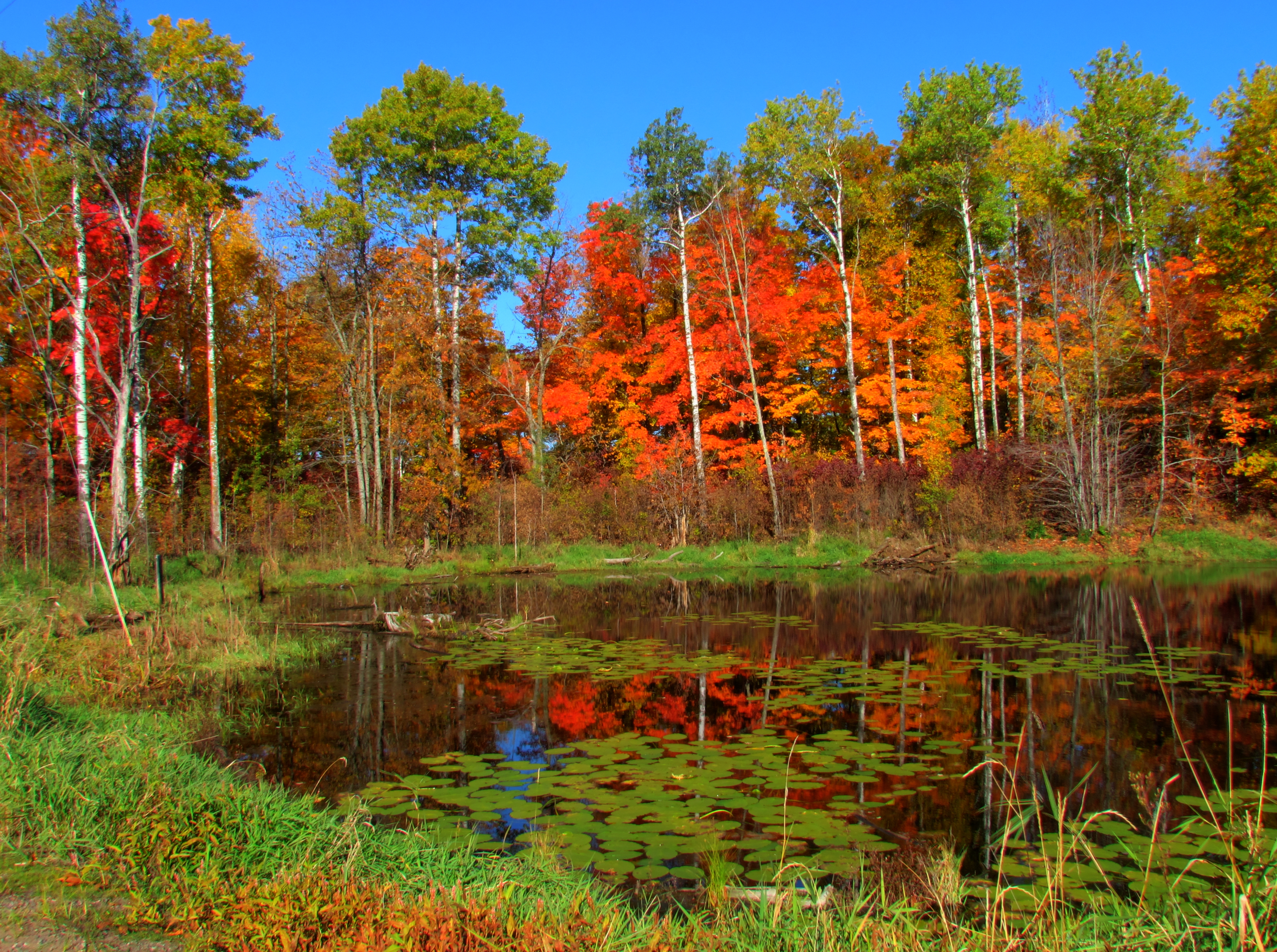
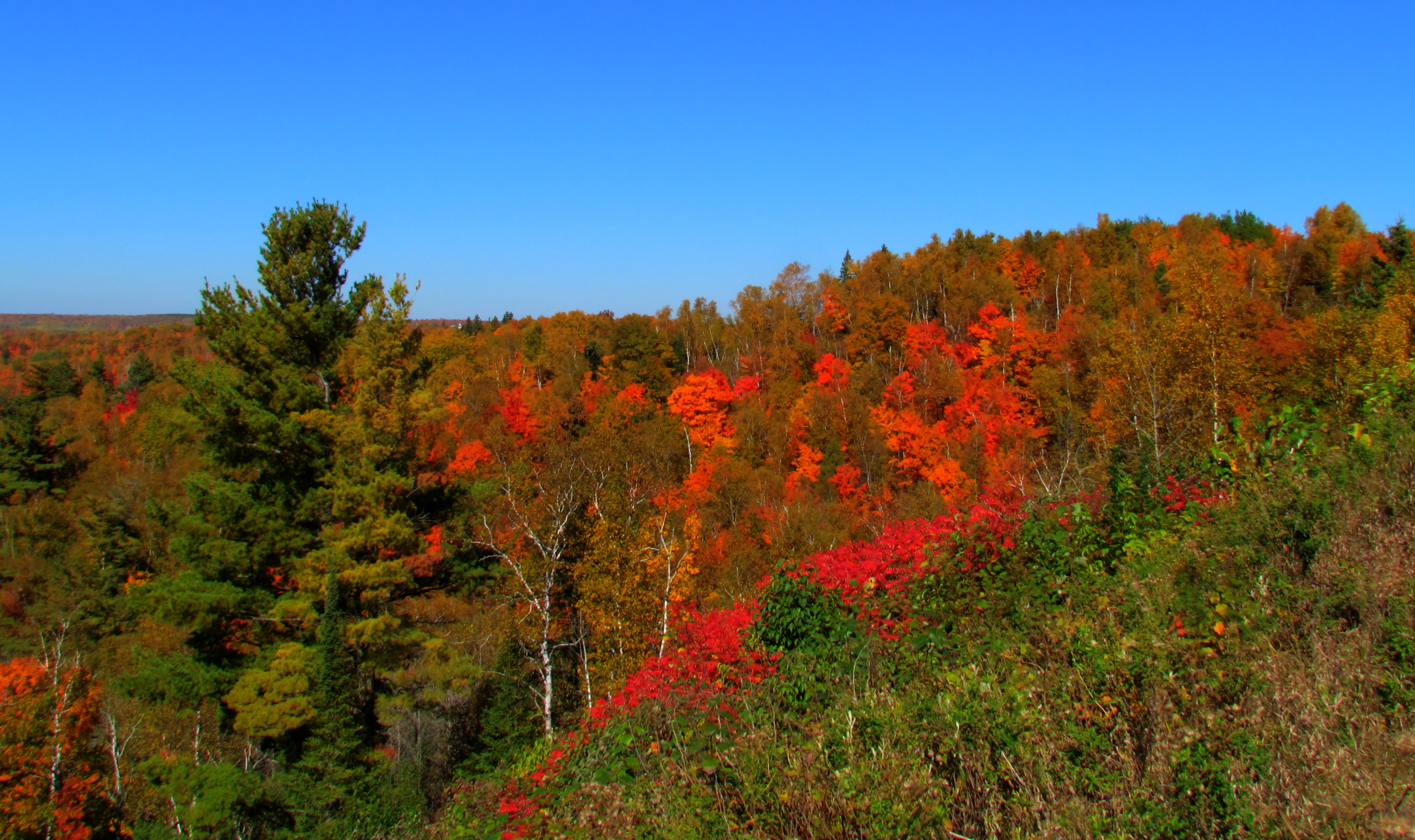
I love fall.  And this year’s foliage as been particularly spectacular, especially Up North.  The yellows, oranges and reds all burst on the scene at once, rather than being interspersed with the more reluctant trees still holding on to their green.  I don’t know when I have enjoyed the colors more.

But there is something I anticipate even more.  Pumpkin bagels.  I wait all year for Brueggers to bring them back for the fall season.  I haunt their doors and hope they have enough for me to bring home a dozen.  And of course, they are the best when fresh and spread with pumpkin cream cheese.  Mmmmm.

Earlier this fall, while still waiting for pumpkin bagel season to start, I found something new – pumpkin English muffins!  Yup, none other than Thomas’ English muffins makes them.  They toast up crispy and spicy, and slathered with peanut butter they complement my coffee nicely in the morning.

Even though canned pumpkin allows us to bake pumpkin muffins all year long, somehow they taste best in the fall.  Pumpkin chocolate chip is a particularly decadent version, and a favorite of my daughter’s.  I prefer Bran Pumpkin muffins with raisins or dates.  I needn’t even mention pumpkin pie.  It’s a required staple on our Thanksgiving table.

Pumpkins themselves are particularly appealing.  The outdoor fall decor at the New Scenic Cafe caught my eye as I passed by on my bike recently – so festive and seasonal.  There is nothing like a pumpkin patch, and searching out just the right pumpkins for carving.   It’s been a few years since we’ve carved a pumpkin, but what is better than inviting a mess by scooping out seeds and carving the face?  And I love to see the candle flickering inside, illuminating the pumpkin’s personality.

Hmmm, I think I will have to pay those grandkids a visit soon.  Perhaps they need help carving their pumpkins.  And I’m sure they’d love a pumpkin bagel.

The Road less Traveled

I wanted to go up the North Shore.  The leaves were peaking and I had my heart set on cycling alongside the beautiful blue lake in contrast to the brilliant yellows and oranges.  But Rich had other ideas.  My first clue was the slip of paper left on the kitchen counter the night before with cryptic notes that I quickly identified as a bike route.  Just not my route.

The day dawned clear and bright – the perfect fall day for a bike ride.  We left early and picked up my friend, Myra, and her bike then Rich broke the news I’d feared.  “We’re not going up the shore.  I figured out a better route.”  And sure enough, we headed in the opposite direction.  Myra was more flexible and gracious than I was, but I knew it wasn’t worth fighting – Rich was driving.  So off we went.

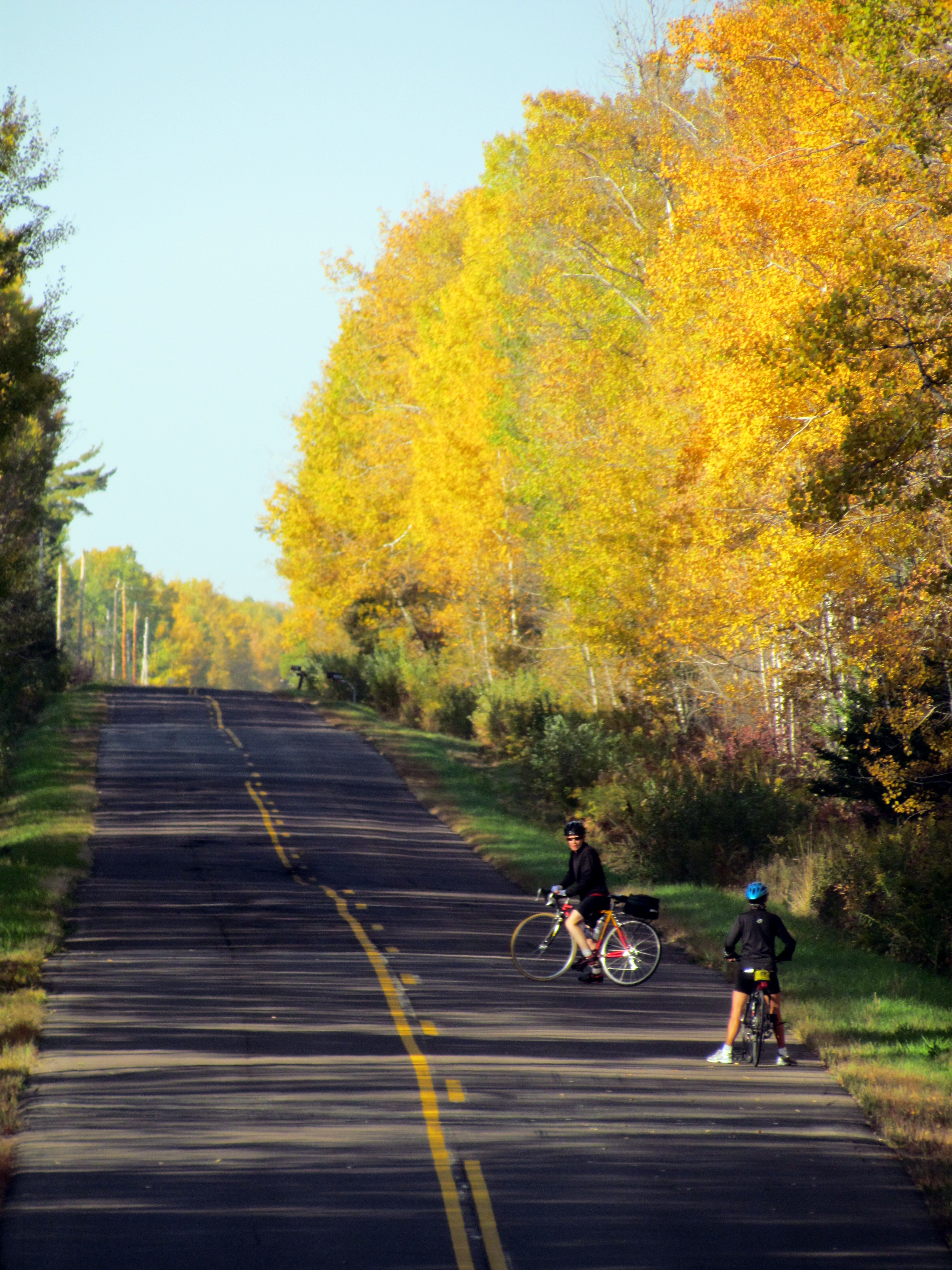
We started in Gary New Duluth and immediately headed across the St. Louis River on the Oliver Bridge.  It’s a unique old bridge that wasn’t frightening on a bike, but I might have questioned its soundness in a car.  We were off to a good start.  We traveled on small local roads, and soon turned onto Military Road.  There was no traffic and we were able to ride 3 abreast on the tree-lined route.  The sun was out and soon warmed us as well as infusing the leaves with depth of color.  I guess it was about this time that I had to admit Rich had made a good choice.  It was a wonderful circle route, which is always preferable to an out-and-back course, we didn’t hit any sections of dirt road, and we got our fill of fall colors, including some very picturesque spots.  Midway Myra and I even convinced Rich to extend the route an additional 10 miles to make it last even longer.

Returning along highway 23 we stopped at the scenic overlook.  Usually it is a sleepy little wayside, but that day it was overflowing with people taking in the view.  And for good reason – the colors were spectacular.  We joined in the fray, taking our share of foliage pictures.

That evening, we met friends for dinner in Duluth.  They called to say that they were going to be late.  They were staying north of Two Harbors and the traffic was terrible…  There were thousands of “leaf peepers” on the road along the North Shore, and they were barely crawling along.  Rich’s face lit up.  He was vindicated, and even I realized that it had been a good idea to avoid the North Shore.

The next day, I just left the choice to Rich.  We were up at the cabin doing fall closing-up chores, but had reserved the afternoon for a bike ride.  He chose our route around Turtle Lake.  As the road narrowed and turned to packed dirt, we had the best colors yet.  The tree branches closed us in overhead with brilliance, and the fallen leaves blanketed the roadside.  Truly spectacular.

In the future I will just have to remember – the road less traveled is the one we want.

These cookies are Ambrosia

You never know where you will find a good recipe.  This time it was at the South Bay B&B on Lake Whatcom, near Bellingham, Washington.  We were there with our youngest son, Erik, who was a high school senior at the time.  These chocolate chip cookies kept magically reappearing as Erik cheerfully did his part to empty the cookie jar each time he passed.  I had to agree, they were good.  Fortunately our hostess easily parted with the recipe, which she readily admitted came off the enormous bag Ambrosia chocolate chips.

Now I have plenty of experience in failing to successfully replicate others’ recipes.  But this one truly worked.  My results were every bit as good as those at the B&B, and disappeared equally quickly.  Over time, in different kitchens and any season, these cookies consistently turn out to my liking.  That is no minor feat.  Not only are they my family’s favorite, but my son-in-law and now my grandson both ask for them.  What more evidence do I need?  After all these years of testing cookie recipes, I think I can say with utmost confidence that I have finally found the formula for the ultimate chocolate chip cookie.  It is moist, chewy, substantial and generously pocked with chocolate chips.  Nothing better.

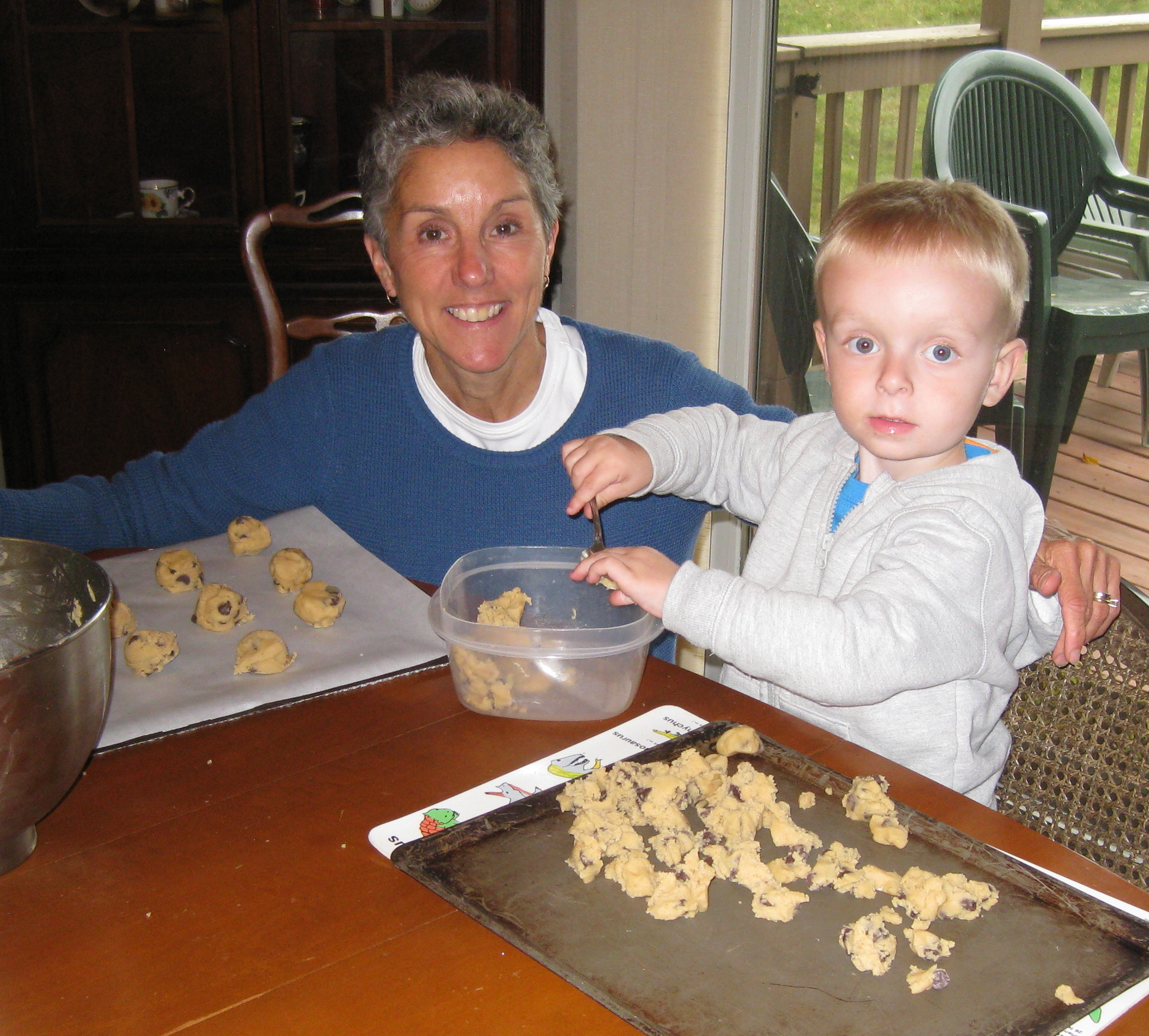
I can also attest to the durability of this recipe.  It stands up to a 2-year-old’s manipulation and fascination with dough.  Baking cookies has become a favorite activity of mine with my grandson.  He has his own idea about how cookies should be formed.  But the result is still always delicious.  And he and his daddy are happy when they get to take a bunch home.

Sadly, the lovely B&B is no longer in operation.  But it will be fondly remembered each time we bite into a chocolate chip cookie, because it is unlikely I will use any other recipe.

In the event that you have the same passion for home made chocolate chip cookies, I can save you a lot of research and trials.  Here is the coveted recipe:

Here is a copy of the recipe you can print or save:  Ambrosia Chocolate Chip Cookie Recipe

Now I will have to start on a new recipe quest.  I don’t think my family will mind.

Cookie Help

That search for the ultimate cookie recipe?  I guess I have been at it even longer than I thought.  Just recently, while browsing through a shelf of my lesser-used cookbooks, thinking it was time to prune the collection, I came across a thin volume titled The Complete Chocolate Chip Cookie Book.  Inside was an inscription from my sister and a date – December 30, 1982 – for my wedding shower!  It would appear to have all the advice I need.  Chapter headings include Tools, Ingredients, Worries, People and An Everyday How-To.  Oh, and it even has a definition, complete with illustration: “The perfect chocolate chip cookie is not so crispy as to be dry, nor so gooey as to be wet.”  Hmmm, close enough to my own personal view.  Clearly, this deserves a reread, and perhaps a promotion to my “current” cookbook shelf.  It’s worth a try…  And best of all, my find triggered warm memories, almost as delectable as a chewy chocolate chip cookie!

The Empty House

They said the house had “good bones.”  In realtor speak that meant that despite the tired cosmetics and the updates that it needed, the house had an appealing structure and was basically sound.  Walking through the house after we’d emptied it of all the contents, I could finally see it.

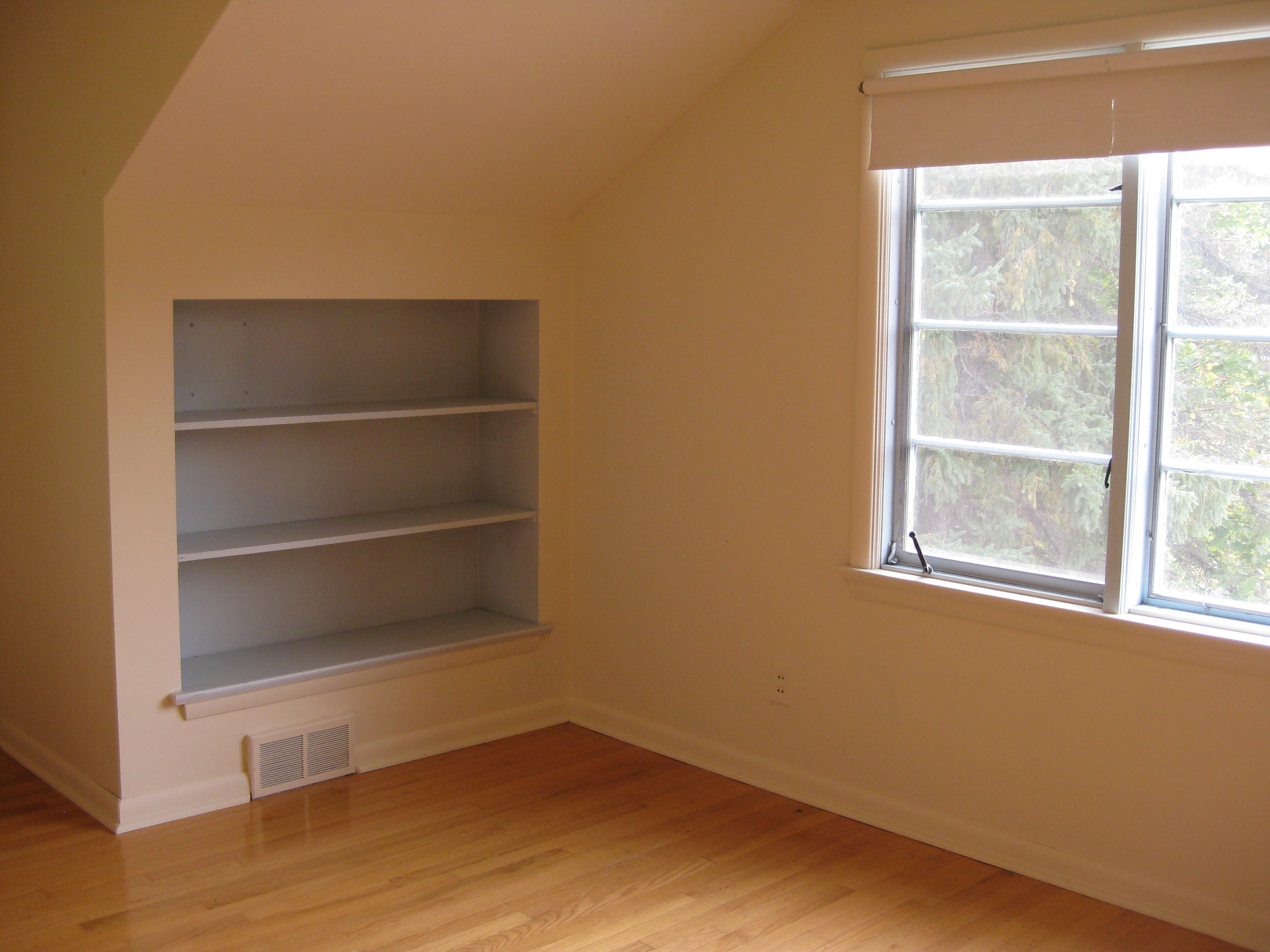
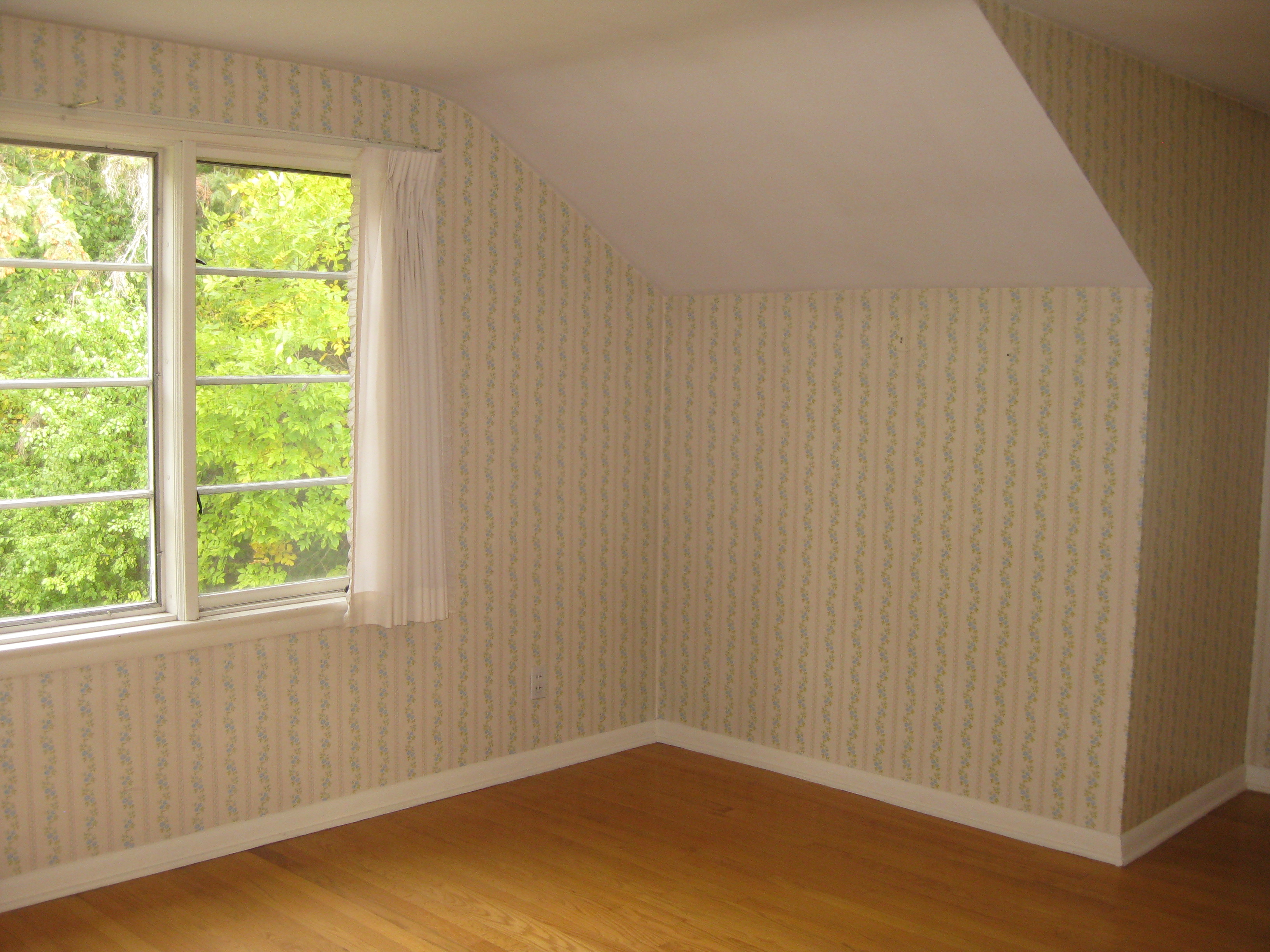
Devoid of all Mom’s furniture and belongings, my footsteps echoed as I walked across the wooden floors.  Cupboards and doors creaked more loudly than usual as I peered inside to make sure nothing was left behind.  Rooms looked larger than before.  The character became more apparent.

It took on the look of a “new” house.  Rather than feeling nostalgic about the years Mom had spent there and the good family times we shared in that space, I felt like I was seeing it through the eyes of the buyer.  I understood how they could get excited about moving in.  I could see the potential it held, and the opportunities they had for transforming it into their own unique space.

It made me feel good about turning the house over to someone who will give it new life.  Transformations are fine with me, all the better if it renews the spirit of the house.

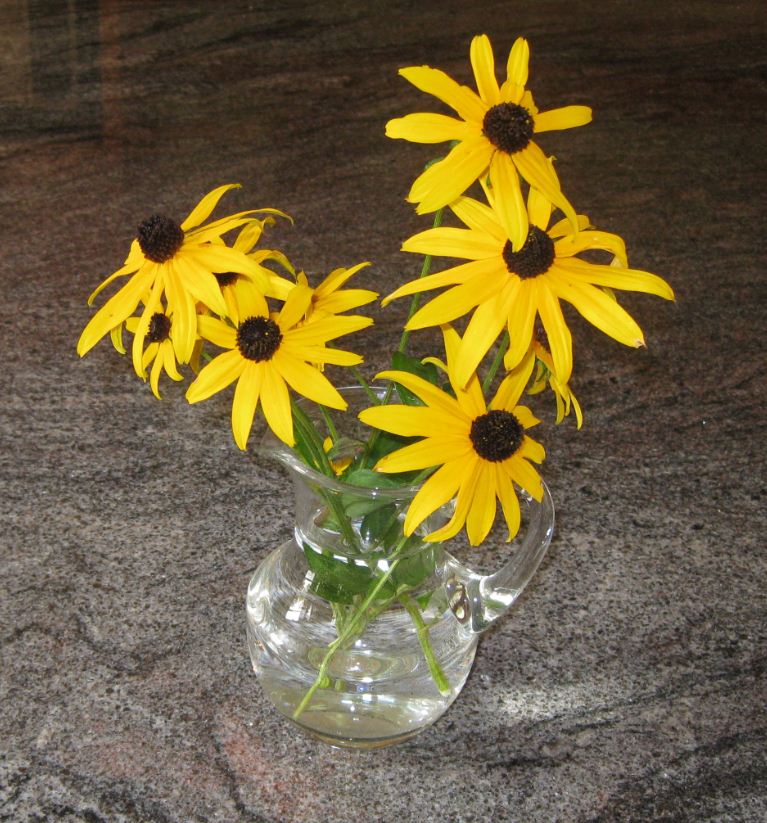
It’s time to move on.  My daughter texted me as I was leaving the house for the last time.  Pick a flower as you leave for a final memory, she said.  So I did.  I left the house empty, but brought a little bit of Mom home with me.   One final time.

Going Above and Beyond

An honest citizen and a creative, resourceful policeman just turned a stressful situation into a happy ending.  First, I admit that I brought all this on myself.  It was a beautiful afternoon, and I headed out on a 30-mile bike ride to enjoy the nice weather.  With the fall leaves beginning to peak, I brought along my small compact camera as well as my cell phone which I always take in case of an emergency.  But I forgot to zip the little bag on the back of my bike.  Can you see where this is going?  Sure enough, when I returned home the camera and phone were missing.  Somewhere in the 30 miles behind me they had fallen out onto the road.  The question was where?

Tired as I was, I immediately began to retrace my route by bike, since it began on a portion of road currently closed to cars.  I was sure I knew where they had fallen out, as I had bounced along a washboard-like section of dirt road.  But my search was fruitless.  Not a sign of my missing items.  I returned home to start Plan B – had I enabled “Find my iPhone?”  Who ever thinks they will really need it?  If not, I would try calling the phone.  I was in mid-action when my husband, Rich, got a phone call.  “Are you calling about my wife’s lost phone?”  I heard him say.  His voice didn’t give anything away, but my heart did a flip when he replied “Yes, Officer.”  Hallelujah!  It was news just too good to be true!  An honest citizen had turned in both my camera and my iPhone, but that was only half the story.

Just minutes later, less than an hour after I made my dismaying discovery, the police officer was at our door, camera and phone in hand.  But his tactics for getting them back to us were just short of amazing.  First, my iPhone is password protected, so it was locked and he was unable to use it to find my contact information.  So he checked the pictures on the camera.  He finally located a picture with a van in the background and a legible license plate number.  How resourceful!  But when he ran the number, it came up blank – our daughter and her husband have a new van, and it was too recent for the plates to be in the database yet.  Dead end.  On to more pictures – this time he found photos from our Trans-Superior Cycling Tour, with the title boldly emblazoned on our cycling jerseys.  A google search quickly located Rich’s blog entries about our trip, and revealed our names.  Bingo!  He ran our names through the 911 database, and found a call that Rich made in 2010, which gave him Rich’s cell phone number.  Only he doesn’t use that phone any more.  Fortunately, Rich did leave his new number on his voicemail message.

Even though we offered to come pick up the items, the office delivered them right to our home. Our anxiety melted away when we heard how he had tracked us down, and our faith in people was reaffirmed – both by the person who found the items, and the officer who returned them to us.  We weren’t able to meet the first, but we did entice the latter to sample our homemade apple pie bars.  It was a sweet ending for all of us.

And I checked.  I do have “Find my iPhone” enabled and it works.


Then and Now

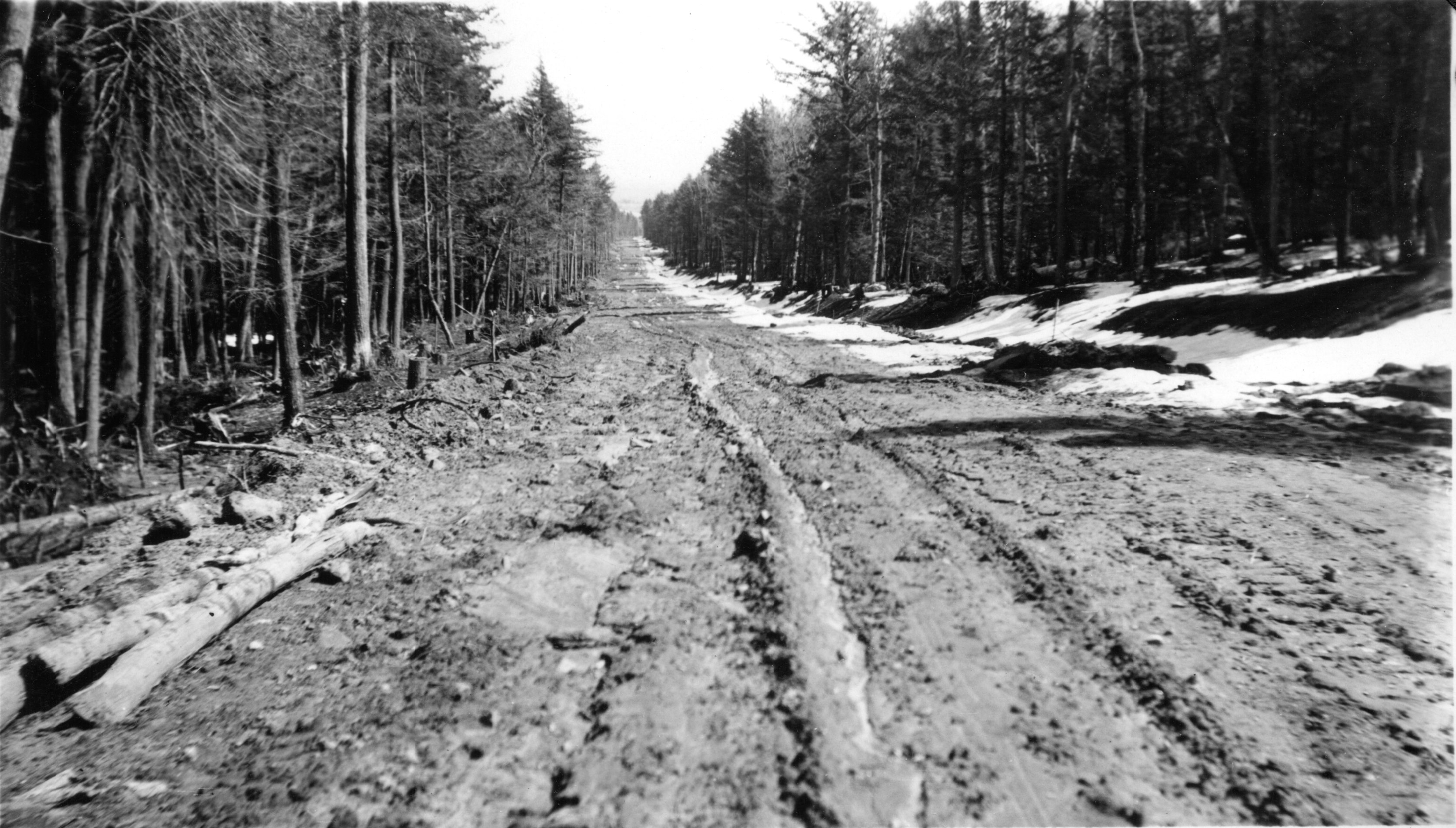
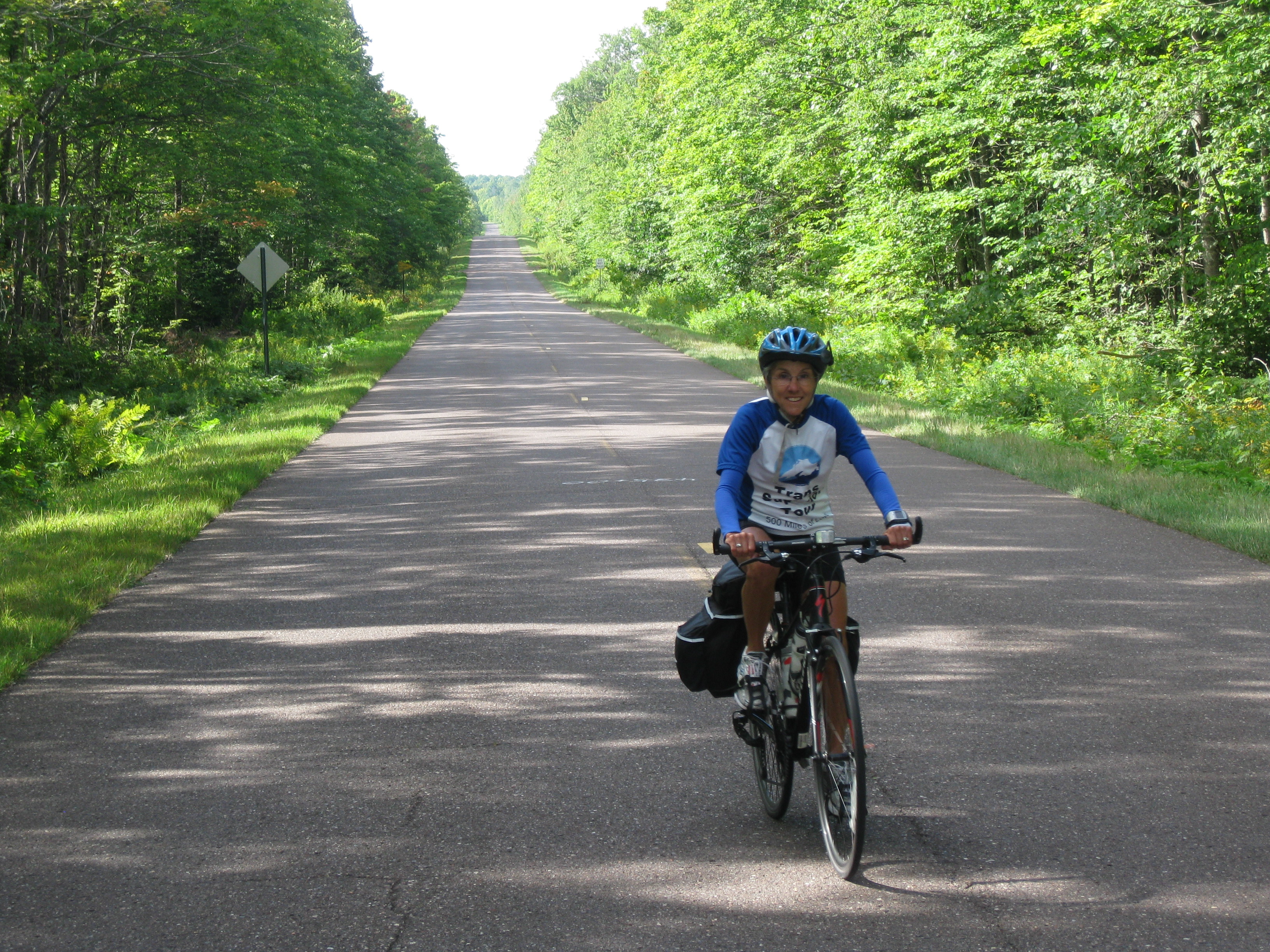
The picture caught my eye right away.  Dad’s old photo album had a photo that he labeled “New Road to the Porcupine Mountains” dated 1936.  We traveled that same road this summer on our cycling trip.  What was just being built in Dad’s day is a mature road in mine.

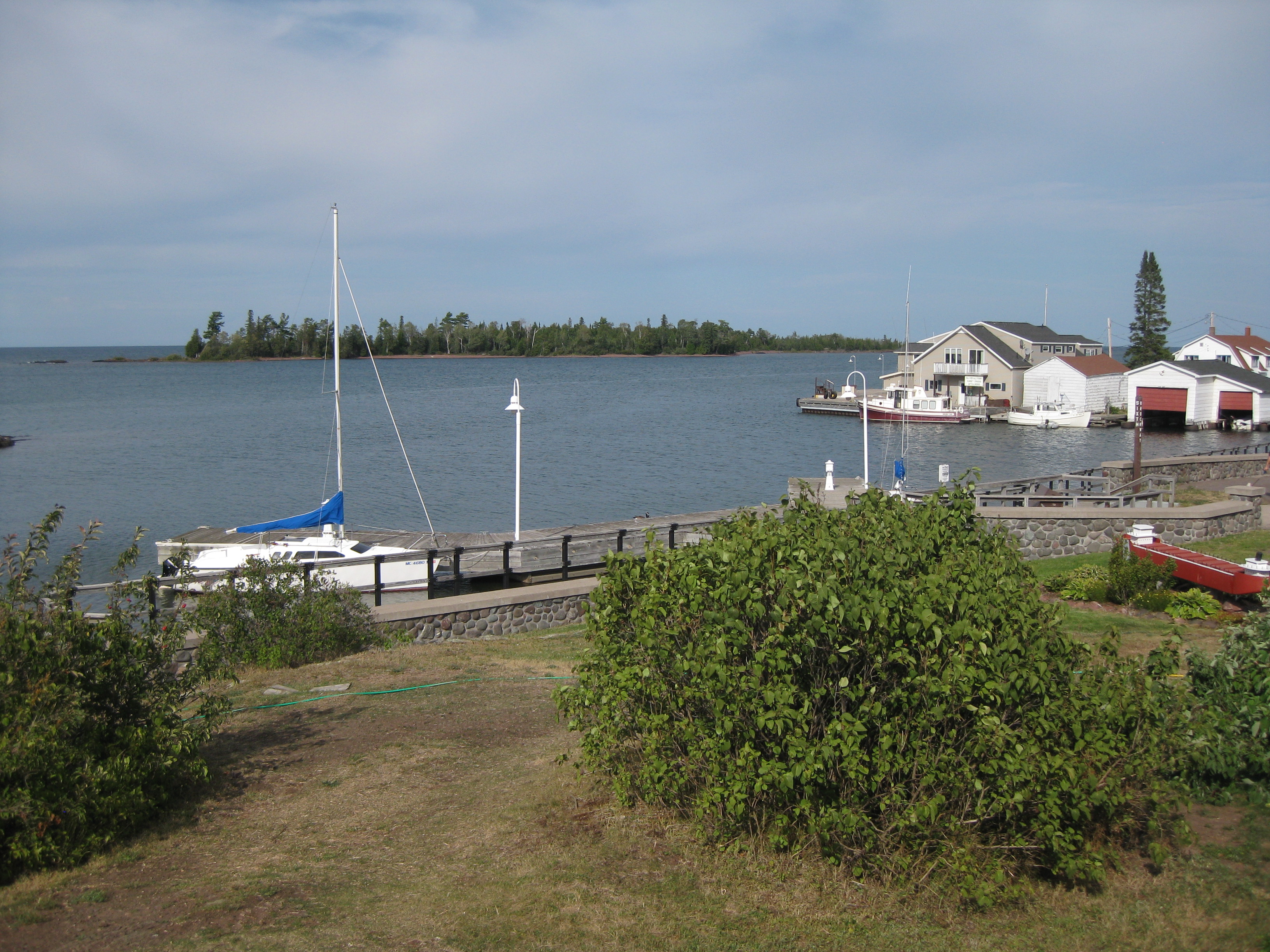
Soon my eyes were scanning other photos as I worked my way through the albums, looking for familiar sights.  It didn’t take long.  Dad went to college in Houghton, so I easily found another common location on the Keweenah Peninsula, the Eagle Harbor lighthouse.  He took his picture from the water, I took mine from land.

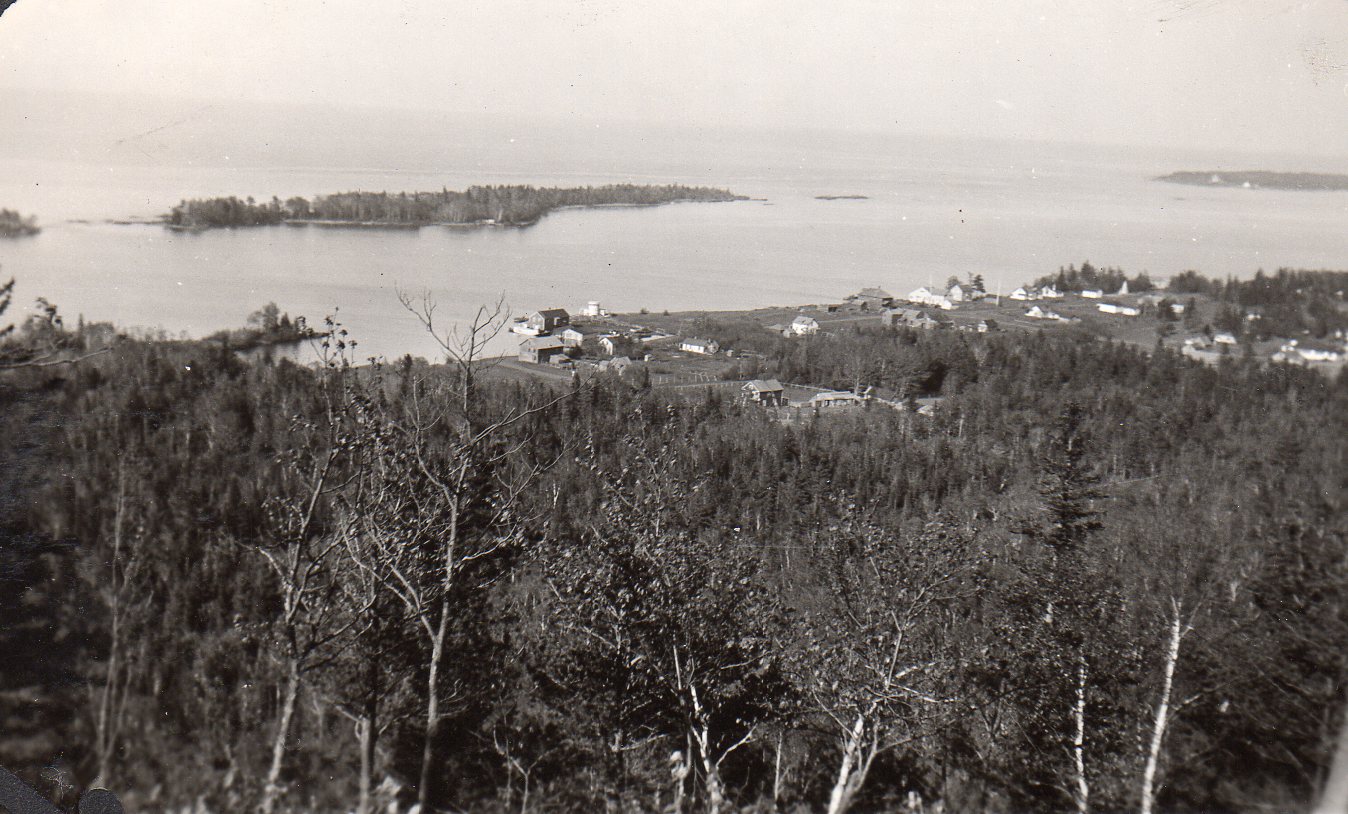
We both visited Copper Harbor, although Dad must have gone up Brockway Mountain Drive to get to the overlook for a broad sweeping view.  Since we were on bicycles, we declined the additional climb.  But I think it would have been worth it.

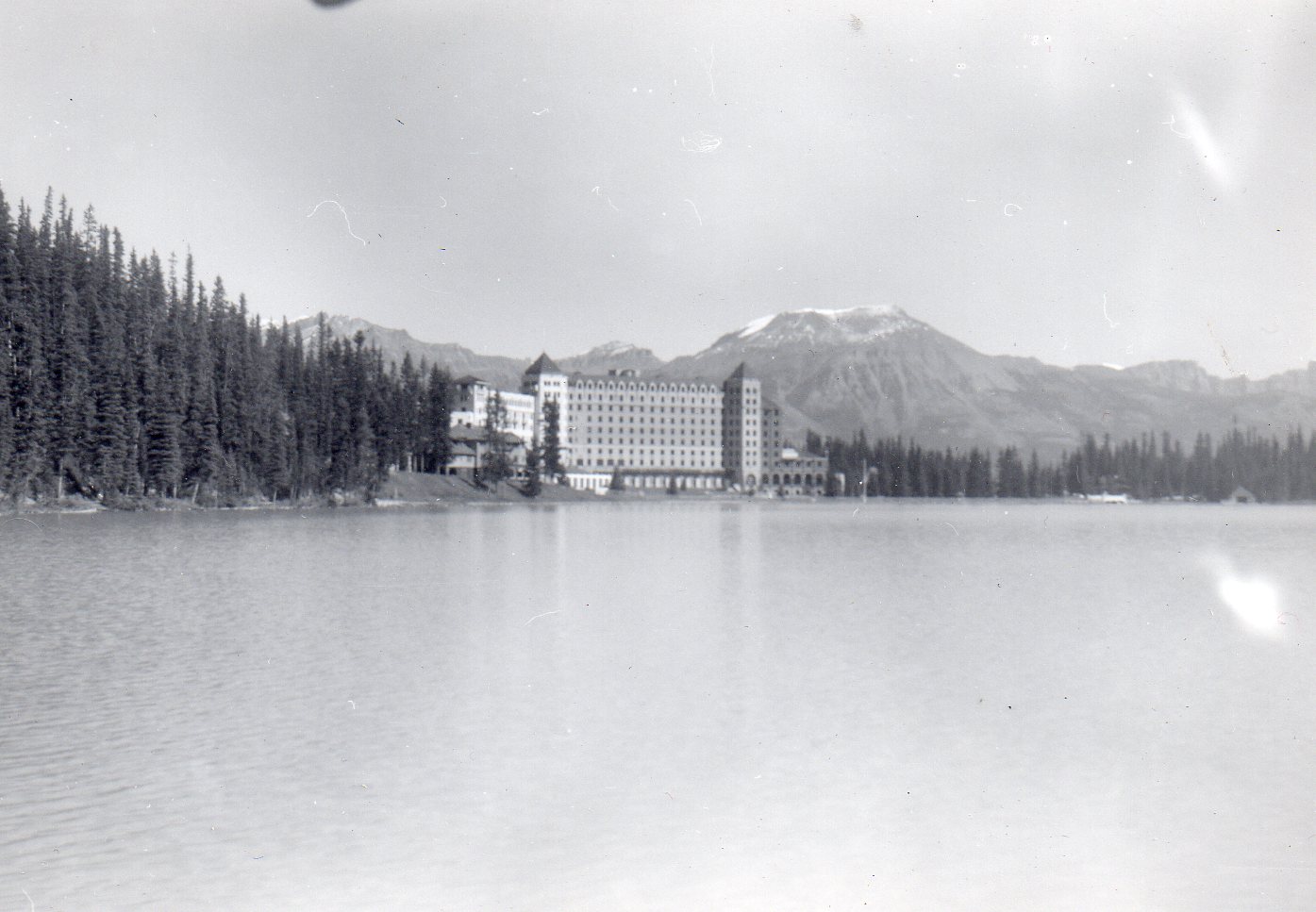
Another album brought a trip to the Canadian Rockies.  We too traveled there this summer.  Who can resist Lake Louise and the pretty hike along the lake to look back at the big chateau?  Apparently neither my dad nor I could.

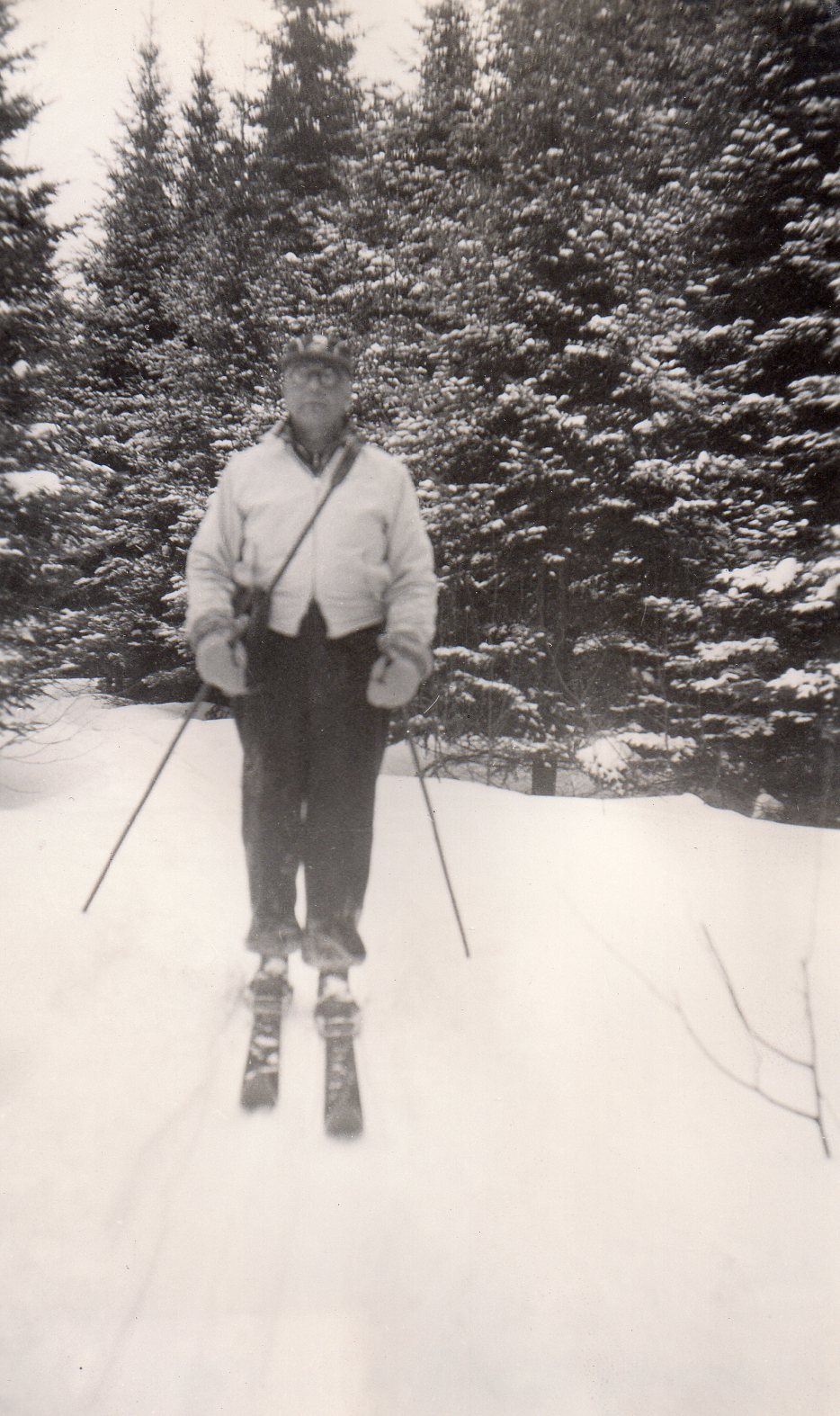
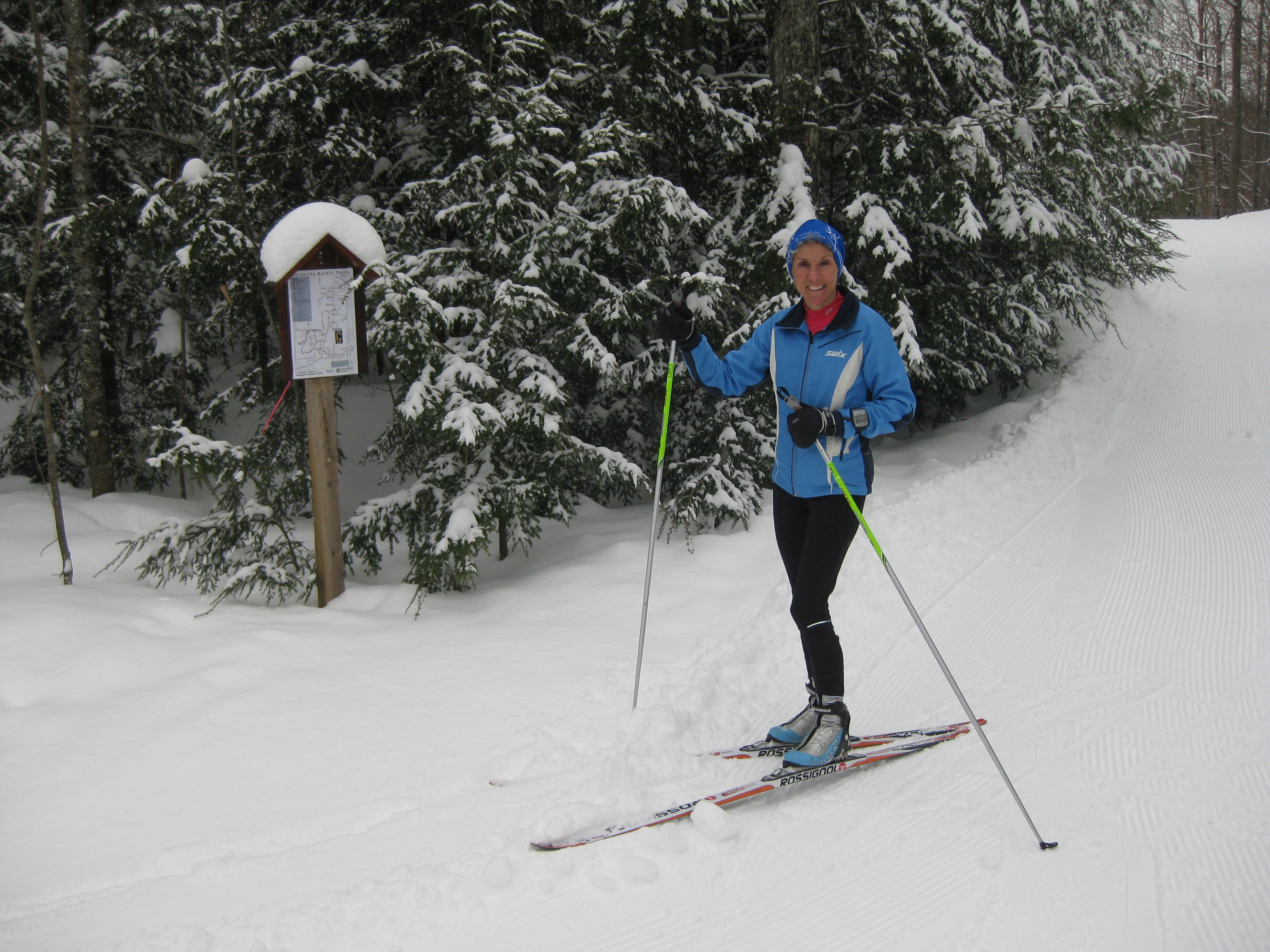
We had more than travels in common.  Dad loved to ski, and I discovered that he skied the trails as well as the slopes as a young man.  I too took to the trails in the UP last winter.


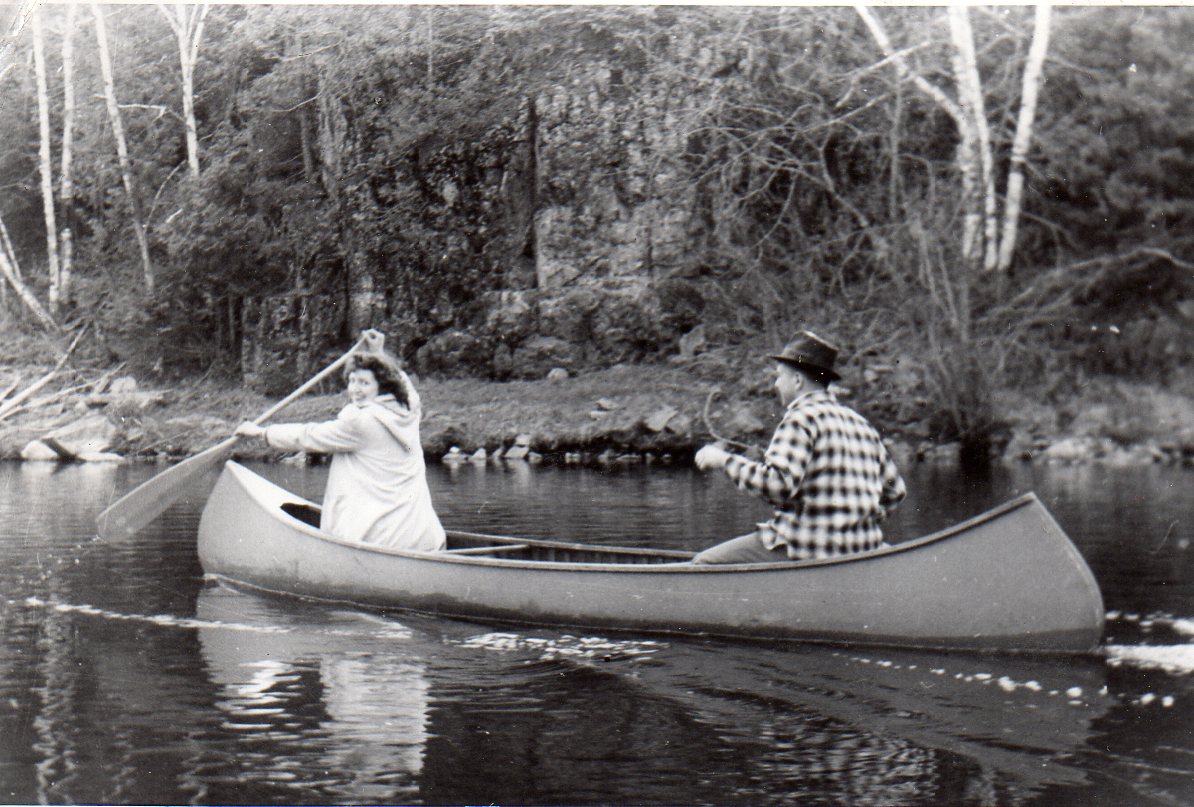
Dad and Mom enjoyed canoeing.  I don’t think they ever went to the Boundary Waters, like I did with my son Carl.  I think they preferred more sedate day trips.  And fashion wear.

Some things are timeless.  It feels good to know that Dad and I chose the same places to visit.  We chose the same outdoor activities.  And we took the same pictures.  Lasting memories, then and now.

Immersed in Images

The hard work was done.  Or more accurately, the hard physical work was done.  Mom’s house was empty except for the stack of photo albums.  Compared to the rest of the contents of the house, the amount was small.  But it represented a lot of mental and emotional effort.  My oldest sister, Betsy, had planned a final trip back home to help me with the house, so I drafted her to tackle this mountain of memories.

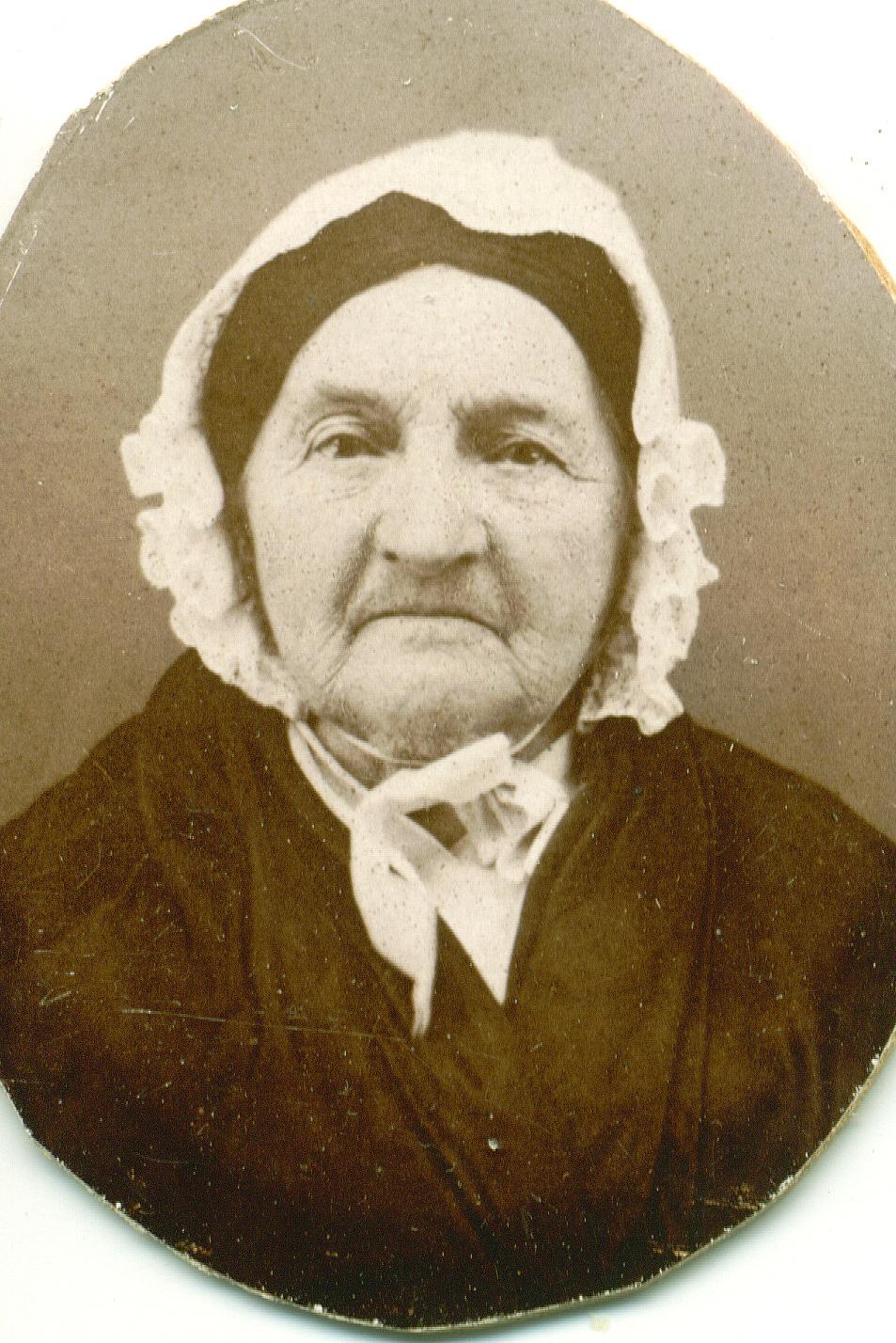
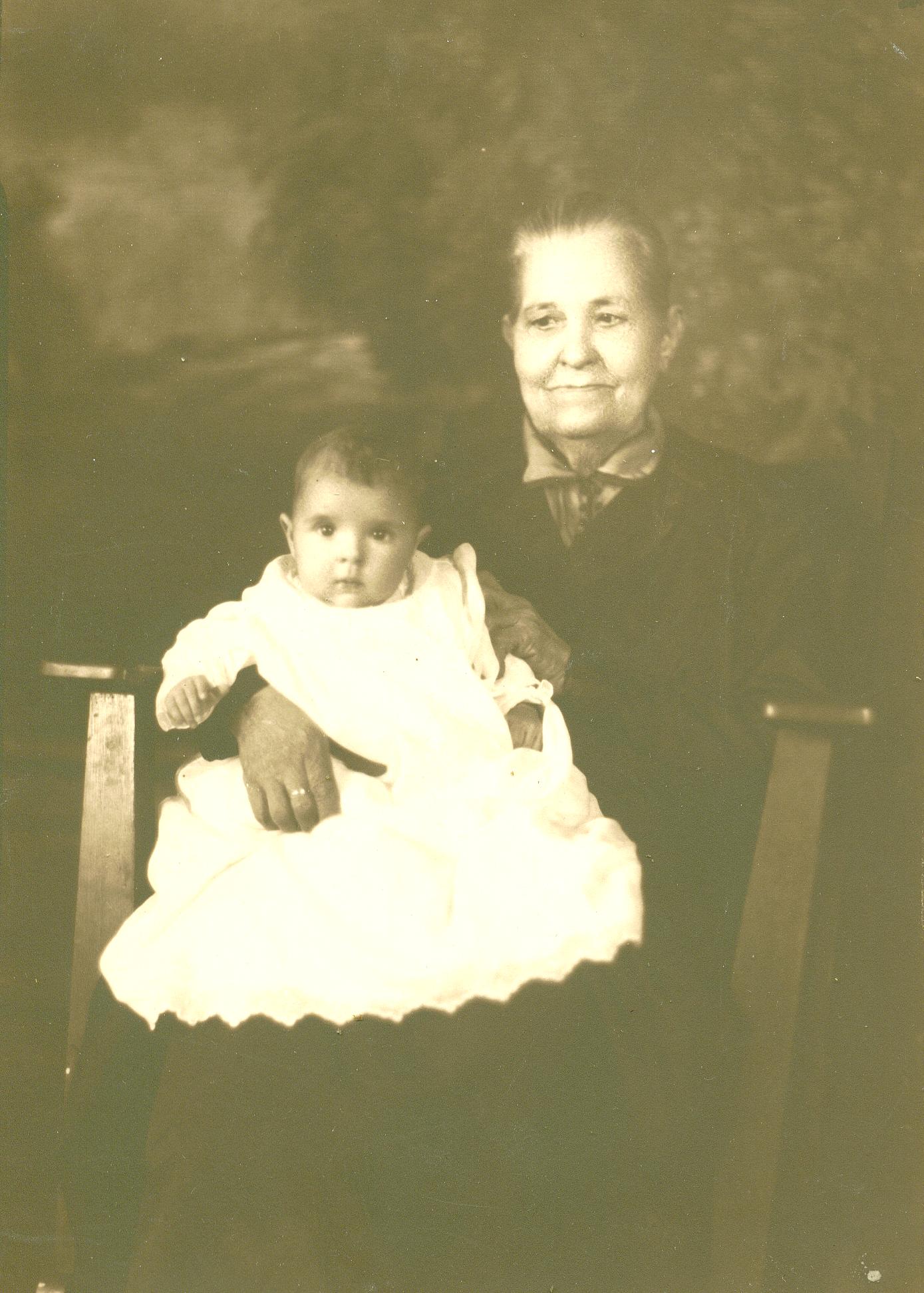
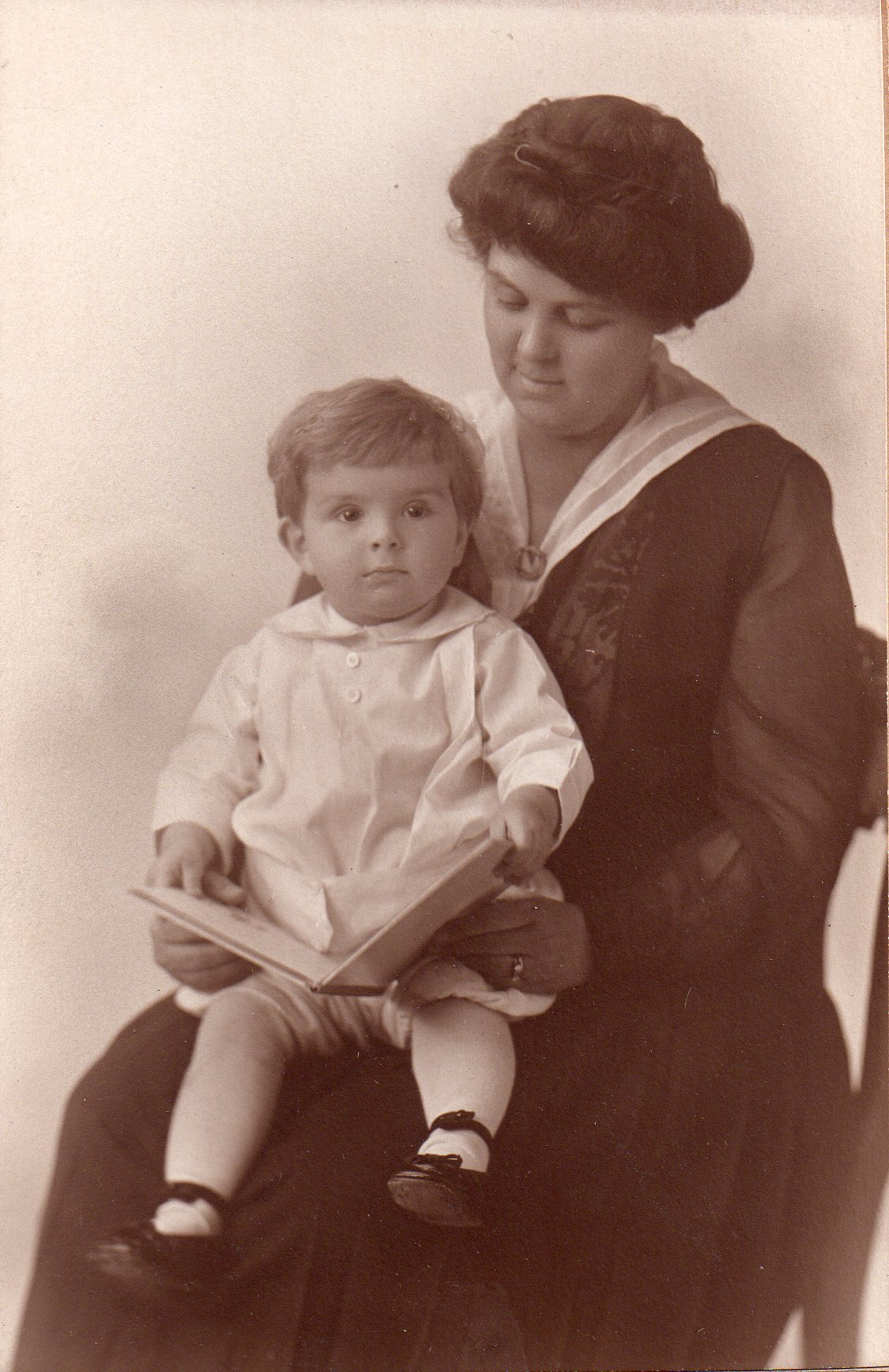
We decided to start with family history.  We had a wealth of old photos we wanted to preserve and share with all members of the family.  To me the natural approach was to marry them to our family tree, lending context and time-frame to this collection of relatives.  Here we struck gold.  My father’s side of the family had been heavily researched in years past, and a cousin has worked in more recent years to update it and computerize the records.  Within a short time, we had access to that family tree dating back to the 1500s on Ancestry.com.  On my mother’s side, we began creating her tree from our own records.  Soon we were in business with side-by-side laptops, churning away at scanning, documenting and saving photos then creating tree limbs and connecting people to photos.  How rewarding it was to see gaps filled, put names to faces and see our past come to life.  There was a sense of satisfaction in handling the old photos and know they were being preserved.  And we found some amazing old images.

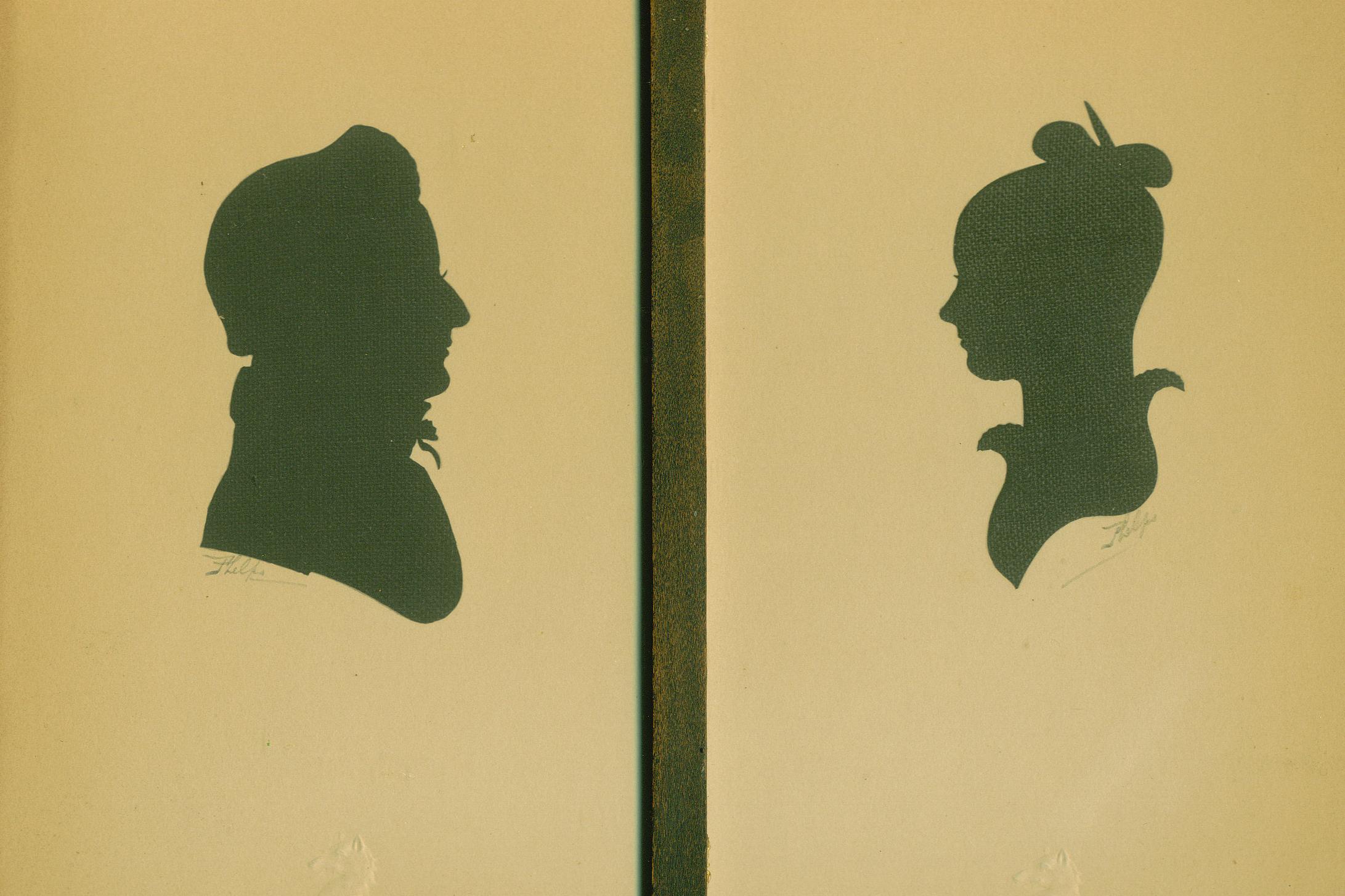
Debora Luckey Wiltsey born 1775Henrietta Bouchay Tweedie holding Henrietta MahonMabel Mason Brewer and Richard Brewer 1916Jeremiah and Irene Fellows Robinson

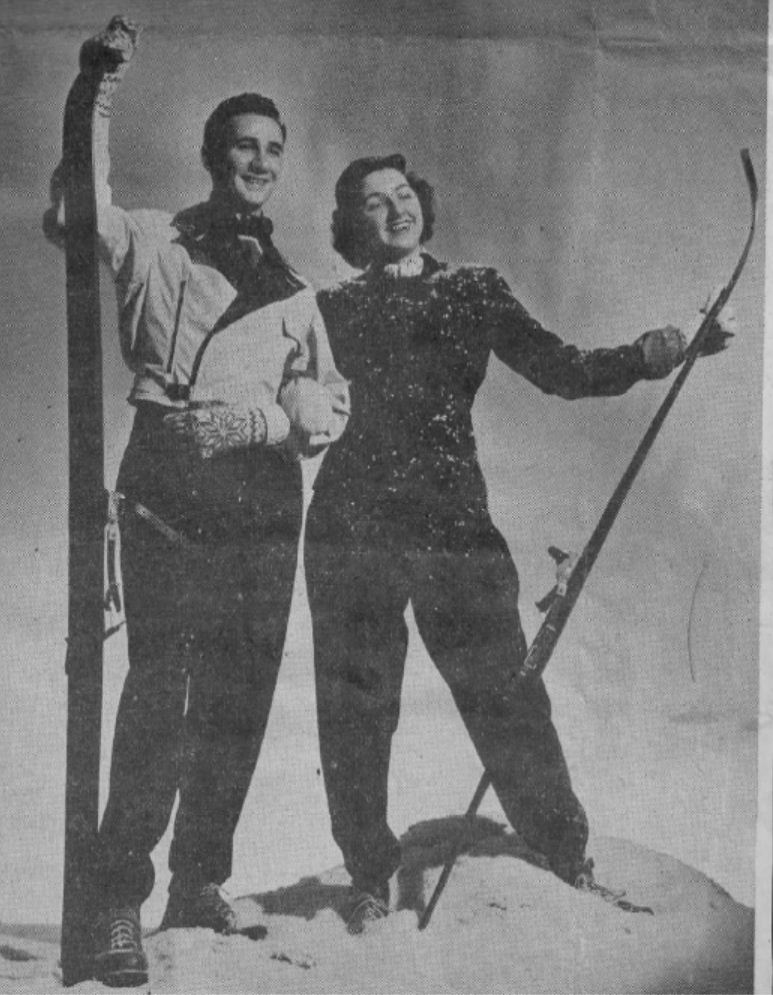
We also found a few gems.  Mom’s college scrapbook mainly held mementos of the events in her collegiate life, but also a few self-revealing pieces.  Our favorite was the collection of newspaper articles, publicity shots and her personal letters home when she won a popularity contest that culminated in a ski trip to Sun Valley in 1940.  Dad’s bound volume of photos and letters documenting a trip with a college professor in 1936 was amazing in its detail.

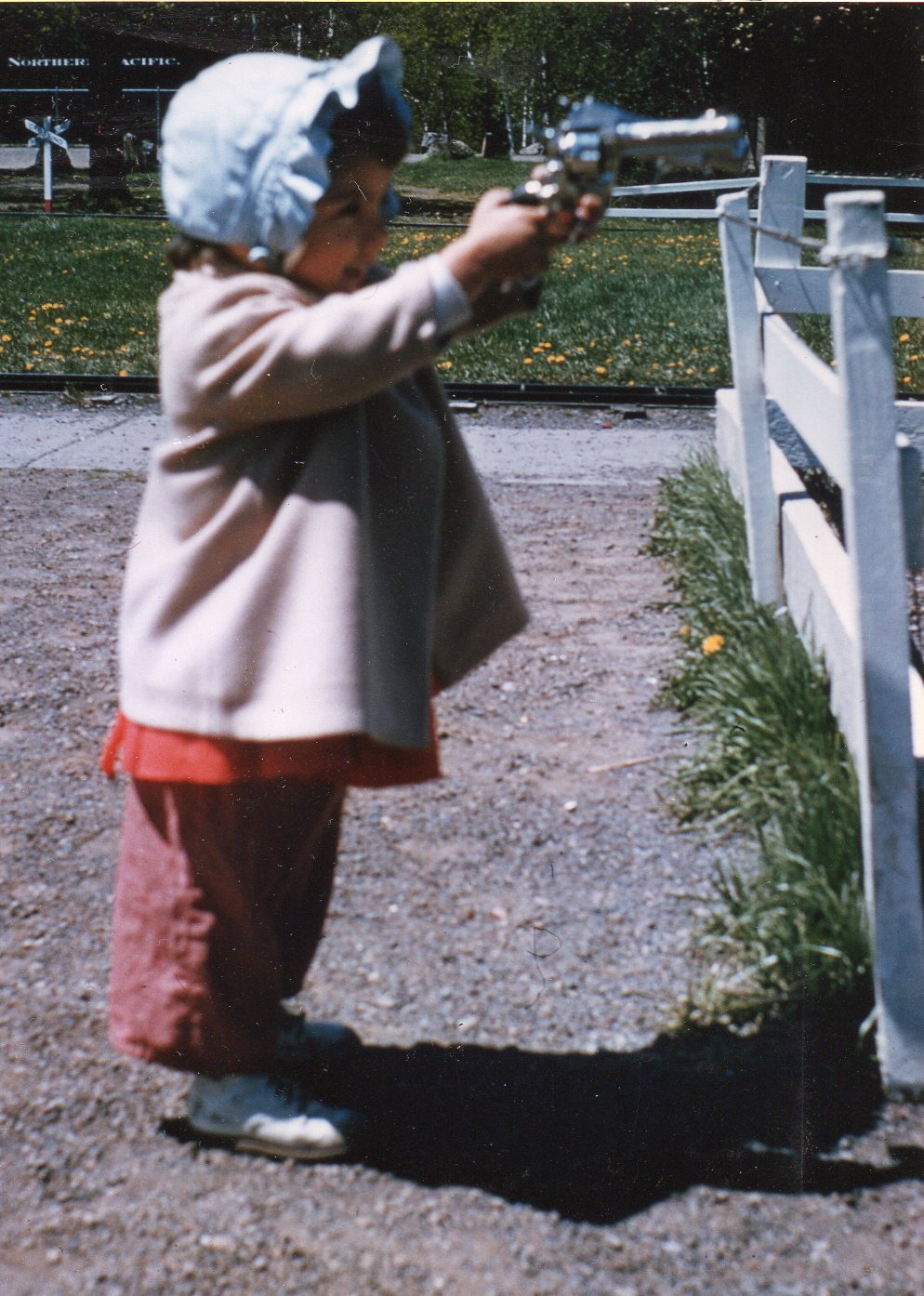
Molly at the Zoo 1957Modern photos presented more of a challenge.  Compared to the old pictures we had mountains of photos, all carefully mounted, labeled and dated (well, mostly…) in sequential albums.  Not only was the sheer volume a challenge, but we were so easily side tracked.  “Oh I remember that.”  “Who is this?”  “Look at this one!” and peals of laughter punctuated our work.  The piles grew as we hunted to select representative photos of our family life.  More scanning, documenting and saving, ultimately to distribute to family members.

Four solid days of work and we only got as far as the birth of our youngest sister.  And three Rubbermaid tubs full of albums still await me.  I think I know who to enlist for the final onslaught.

I just hope my brother has as much fun with all the slides.

Emptying Two Lifetimes

As long as Mom’s house was on the market, there was a semblance of continuity. It was still “her” house. While we wanted it to sell, until it did we had a reprieve. We didn’t have to deal with the contents. We didn’t have to face handling every single item in the house and determine its disposition.

Everyone knows about the stages of grief. This was about the stages of letting go. First there was the funeral. Formal, a fitting tribute, and surrounded by friends. It came so soon after death that a feeling of numbness was inevitable. Next came the task of dividing Mom’s treasures. Mom and Dad’s, really. Deciding who wanted what was congenial and healing and we knew they would be pleased that family heirlooms were staying in the family. And then the final task, clearing out the house. Sure, we had made decisions about the big pieces of furniture and major possessions but that left a lot of, well, stuff yet to be dealt with.

It was daunting. Mom and Dad were married for 51 years, and Mom lived another 17 years after Dad’s death. That’s a long time in which to accumulate things. Opening boxes, pulling out drawers, unearthing trunks, scanning shelves and peering in cupboards all revealed bits and pieces of the lives that Mom and Dad led.

It was a good reminder of who they were and what they did. It wasn’t about the later stages when heart disease and Alzheimers robbed them of their former vigor and wit. It was about the active and social lives they led. We found their classic old Schwann bicycles in the garage, which were brought to life when we unearthed a photo of them on the bikes at Canal Park. Seeing their wooden cross country skis brought back memories of family ski trips. By their later years they would ply the trails while we zoomed down the slopes. Mom’s golf clubs were a testament to all the years they spent on the golf course, and the many friendships they made in the process. The old canvas tent – I only remembers using it once. Camping wasn’t Mom’s thing. All the silver, china and crystal? A living memorial to the active and full social lives they led. Mom set a gracious table, and they entertained in style. Those pieces weren’t for show, they were used regularly. The bookshelves full of volumes of classics mixed in with modern fiction were evidence of Mom and Dad’s continuing pursuit of knowledge and active minds.

We absorbed as much as we could into our own homes. For the rest, we tried our best to find good homes for the many possessions. We preferred to gift them than sell. It just felt right.

It was a lot of work, but once we committed to the task we surprised ourselves by how quickly we finished. It felt odd, seeing the house empty, no longer filled with familiar things. No longer Mom and Dad’s home. The dining room table where we gathered so often was missing. The books on the shelves we’d peruse and borrow were gone. The bed we surrounded when Mom was slipping away from us was absent. It was just empty rooms.

We’d emptied the house of two lifetimes. Two beloved parents. Two people devoted to each other. They will live on in our memories. We don’t need a house full of possessions to preserve that love.

Canoe Route – By the Stats

Having waxed eloquent on my last two posts about this Boundary Waters canoe trip, I think it’s time to delve more into the raw details of the trip. For those of you interested in routes, logistics and statistics, this post is right up your alley.

Overview:
48.5 Total Miles
28 Portages
2,201 Rods of Portaging (6.88 Miles)
Net Elevation Change +313 ft

This was a four-day trip, starting with an overnight stay in a bunkhouse at Tuscarora Lodge.  After a hearty breakfast there, we took advantage of their tow to American Point on Saganaga Lake. It gave us a good head start on a huge lake, and allowed us to venture further afield.  The route took us in a circle that followed the Canadian border, then dipped south to travel through smaller lakes and head back east again to finish on Round Lake at the lodge.

Day 1:
18.1 Total Miles
4 Portages
95 Rods of Portaging (0.28 Miles)
Net Elevation Change -49 ft
Major lakes – Saganaga, Ottertrack, and Knife

This was our longest day of paddling and fewest portages. We were fortunate to have calm waters, which made for rapid progress and easy navigation through big lakes. We were on the popular border route, with Canadian shores on our right, and US soil on the left. Other canoes were common, but it was far from crowded, and there was no danger of coming up short when it came to finding an available campsite. Much of the area we traveled through was “burn zone” from earlier forest fires. Regrowth was evident and healthy, but the tall barren trunks of charred trees still towered over the new greenery. While not exactly attractive, particularly in contrast with untouched forest, it was a measure of reality and the natural forces of nature. It was fascinating to see the stark boundaries of the burn zone, leaving the mystery of why some areas burned and adjacent trees did not.

We camped on Knife Lake and set up camp just in time to see and hear thunderstorms rolling in all around us. We watched the skies, waiting and wondering if it was going to come our way. To our North, the sky turned yellow below the clouds. A dark form developed and rose into the sky, looking unmistakably like smoke. Our suspicions were confirmed at the conclusion of our trip when we learned that the storms had ignited forest fires on the Canadian side. Rain did come our way, but later gave way to a clear and calm evening with a deep red sunset. Our final reward of the day was a green display of Northern Lights that mimicked the shape of the island opposite us, moving and undulating along that wavy line.

Day 2:
7.6 Total Miles
9 Portages
393 Rods of Portaging (1.23 Miles)
Net Elevation Change +148 ft
Major lakes – Knife, Kekekabic, and Fraser

We awoke to a strong wind, which remained with us throughout our paddling this day. We were mostly on smaller lakes, however, which helped reduce the impact of the wind.  The exception was Kekekabic Lake, which challenged us with stiff resistance and big waves.  We had more portages, but they were still fairly short. It was gradual training for what was to come in later days. We had hoped to canoe out of the burn zone, but it persisted on at least some shores all day. In selecting our campsite on Fraser Lake, we made sure that it was not within our view. We had left the border route, but we were still within close enough range that canoes were still a fairly common sight.

This was our shortest day of canoeing, both in distance and time. We reached our campsite by 12:30, leaving us a lazy afternoon in which to hunker down alongside the lake with a good book. All intentions to go for a swim waned as the day cooled off. So instead, we roused ourselves for a short paddle across the lake to have our dinner and watch the sunset from a large rock outcropping high above the lake. We did find one advantage to being in the proximity of the burn zone – firewood was plentiful and dry. Our campfires ignited instantly and never lacked for fuel.

Day 3:
10.9 Total Miles
11 Portages
925 Rods of Portaging (2.89 Miles)
Net Elevation Change +64 ft
Major lakes – Fraser, Sagus, Makwa, Elton, and Little Saganaga

The morning was clear, chilly and calm with mist rising off the lake and the sun’s golden glow on the opposite shore.  It was beautiful to be out on the water in the early morning hours.  Today’s route included numerous small lakes linked by frequent portages, and growing in length.  By this time, we’d left all other canoeists behind and enjoyed the solitude of tree-ringed lakes, alternating pine and deciduous forests.  Portages bore the mark of infrequent use, overgrown with bushes and branches that challenged the height of the overturned canoe as it navigated the path.  Fall began to manifest itself, with golden leaves carpeting the surface of one trail.  To us, the added impediments were worth it for the isolation.

Our lesser traveled route also presented other challenges.  What appeared to be the long arm of a lake on the map felt more like a marshland.  But it was navigable.  What looked like it should be a clear blue lake was shallow and filled with lily pads.  We canoed over them.  What should have been a portage wasn’t.  It was a swamp.  So we canoed through it, dodging dead trees.  We ultimately found a path to the next lake, but not where it was marked on the map.

We finished up on Little Saganaga Lake.  It was a beautiful lake filled with enough islands to make it especially attractive but confusing to navigate.  Paddling around islands and peninsulas we located a beautiful campsite that afforded us expansive views.  At sunset, we had colorful displays in multiple directions.  We were also serenaded by a lone wolf, who howled continuously and was answered only by the loons on the lake.  He repeated his performance in the middle of the night.

Day 4:
11.9 Total Miles
7 Portages
793 Rods of Portaging (2.48 Miles)
Net Elevation Change +150 ft
Major lakes – Little Saganaga, Mora, Crooked, Tuscarora, and Round

Our final day provided a wide range of weather.  While the morning was calm and misty, the wind came up by the time we launched our canoe, and clouds filled the sky.  We pushed our way across the open waters of Little Saganaga, and moved on into smaller lakes.  We traveled along Carl’s favorite portage, from Little Saganaga to Mora Lake.  Covered in pines and following alongside a briskly flowing river that tumbled over rocks, it was definitely the most scenic of our trip.  The further we went that day, the more we re-encountered burn zone and reached more populated lakes.  It wasn’t the kind of day that encourage lingering, so we paddled on in quiet appreciation of our surroundings.

Reaching Tuscarora Lake, we hit a double-whammy.  The rain began in earnest, and the wind whipped across the wide expanse of water.  Fortunately the shower was short in duration, although it provided a good drenching – the first of our trip, so we couldn’t complain. By hiding behind islands, we avoided as much wind as possible.  And our reward?  The Tuscarora portage.  The Big One.  Approximately 428 rods in length with uphill to start and mud in the middle.  Its length defines its difficulty.  But it’s also a badge of honor to complete.  We encountered a veritable traffic jam at its start, with a solo canoeist following in our footsteps (he was glad to talk to us after 10 days on his own), and four heavily laden guys completing the portage from the other direction.  We were back in civilized territory.

We conquered the portage, which left us just two lakes and a lesser portage to our final destination.  It was bittersweet to paddle that section – a feeling of completion and satisfaction over the success of our trip mixed with the sad reality that it was coming to an end.  We had a shower, dry clothes and a good meal to look forward to.  But we both would have traded it all for another four days of canoeing in our grubby gear.